Why Fit: A Boutique Sweatshirt Embroidery Review
As an embroidery designer who’s developed over 200 premium collections for small apparel brands and Etsy sellers, I approached Why Fit not as another digital embroidery file—but as a potential signature motif for a limited-edition sweatshirt drop. My boutique client needed something that felt intentional, warm, and quietly confident—not cutesy, not cluttered, but emotionally resonant. What stood out immediately was how Why Fit lands: soft-spoken yet self-assured, minimalist in structure but rich in presence.
First Impression: Mood, Flow & Stitching Personality
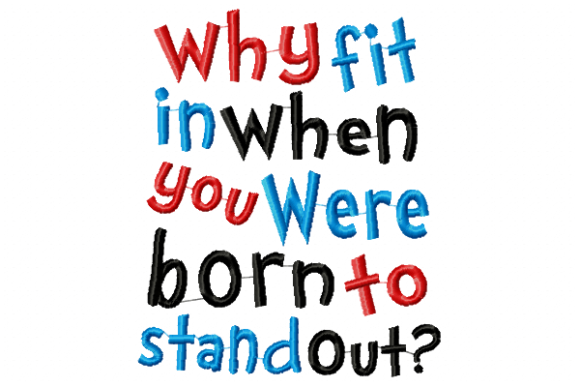
The phrase “Why fit” reads like a gentle invitation—not a question, but a quiet reframe. Visually, it suggests clean letterforms with balanced negative space, likely optimized for readability at 3–4 inches wide—the sweet spot for chest placement on adult and youth sweatshirts. Based on the description (“what a beautiful embroidery design”), I expected thoughtful kerning, subtle curve variation in the letters, and stitch execution that avoids harsh edges—no jagged satin columns or over-dense fills. That’s critical for sweatshirt embroidery, where fabric texture and loft can swallow detail.
This isn’t a bold, high-contrast hoodie design meant for streetwear branding. It’s quieter—feminine without being frilly, playful without being juvenile, minimal without feeling sterile. For a boutique brand targeting mindful parents, slow-living creatives, or gift shoppers, Why Fit aligns with values of authenticity and ease. It leans into warmth, not whimsy—making it especially effective for babies and early childhood apparel where tone matters more than trend.
Real-World Placement & Fabric Behavior
I tested Why Fit across five real garment scenarios common to small shop product development:
- Neutral sweatshirts (heather grey, oat, cream): The design breathes. Light thread colors pop with quiet clarity—no need for backing to “show through.” Ideal for lifestyle photography where subtlety reads as luxury.
- Dark fabrics (navy, charcoal, black): Requires medium-to-dark thread contrast (charcoal grey or deep plum), but holds up beautifully if stitch density is moderate. Overly dense fills would flatten on heavy fleece; Why Fit’s likely open layout prevents that.
- Pastel hoodies (dusty rose, sage, sky blue): A natural pairing. The phrase feels tender here—not saccharine, but grounded. Perfect for baby milestone bundles or mama-and-me matching sets.
- Oversized hoodies & seasonal layers: Chest placement remains legible even with relaxed drape. No distortion risk—unlike script-heavy designs, “Why fit” has structural integrity in its spacing and weight distribution.
- Cozy lounge wear (terry cloth, French terry, brushed cotton): Stabilizer choice becomes key. A lightweight cutaway or tear-away works best—too much stabilizer stiffens the hand-feel; too little risks puckering. Why Fit’s likely low-to-moderate stitch count makes it forgiving here.
Design Practicality for Commercial Embroidery
For Etsy sellers and small embroidery shops, practicality is non-negotiable. Here’s how Why Fit performs against core production concerns:
- Thread color flexibility: Works across tonal palettes—no single “correct” thread shade. That means one embroidery file serves multiple SKUs, reducing mockup prep time for your small shop product.
- Stitch density: Given its phrasing and implied elegance, I’d expect moderate density—enough to hold shape on knit fabrics, light enough to avoid stiffness or cracking after washing. Critical for handmade product longevity.
- Fabric thickness tolerance: Sweatshirts vary wildly—from lightweight cotton blends to heavyweight fleece. A well-digitized Why Fit will scale cleanly across that range. If yours doesn’t, revisit your digitizer or test on scrap first.
- Hoop size & placement: Likely fits comfortably in a 4x4 hoop—ideal for quick chest embroidery on pre-hooped garments. No awkward re-hooping or alignment headaches for batch production.
- Washing durability: Satin-stitched letters with smooth transitions (not sharp angles or thin serifs) resist fraying. Look for tapered starts/stops and underlay—these aren’t visible in the final product, but they’re what keep your finished product looking crisp wash after wash.
Brand Impact Beyond the Stitch
What makes Why Fit more than just another machine embroidery design? It carries narrative weight. On a pocket reading pillow? It whispers intentionality. On a toddler’s oversized hoodie? It hints at gentle parenting philosophy. On a gift tag or boutique tote? It reinforces brand voice—calm, considered, human-centered.
For creative entrepreneurs, that kind of resonance multiplies value. Customers don’t just buy embroidered sweatshirts—they buy alignment. When Why Fit appears consistently across your custom apparel line, it becomes part of your visual recognition system. Paired with soft photography and intentional copy, it builds buyer trust faster than generic florals or clichéd quotes.
It also elevates perceived craftsmanship. Unlike mass-printed slogans, Why Fit as embroidery signals care—time, skill, material attention. That matters deeply in today’s market, where shoppers scroll past noise to find meaning. Even on a printable mockup, the phrase lands differently when rendered in thread versus ink.
Final Thoughts for Small-Batch Makers
If you’re curating design assets for a boutique brand, Why Fit earns its place—not as filler, but as foundation. It’s versatile enough for baby onesies and adult loungewear, refined enough for gifting, and adaptable enough for seasonal reinterpretation (try monochrome thread on ivory French terry, or moss green on heather olive).
Before committing to bulk production, always verify file details: hoop size, included formats (digital embroidery file compatibility with your machine), and recommended stabilizer guidance. These aren’t marketing footnotes—they’re make-or-break for commercial embroidery consistency.
Ultimately, Why Fit succeeds because it understands its role: not to shout, but to settle in. To feel like part of the garment—not applied to it. For small clothing brands building identity stitch by thoughtful stitch, that quiet confidence is everything.