Ski Equipment Logo: A Thoughtful Embroidery Choice for Personalized Gifts
As an embroidery designer who’s tested hundreds of digital embroidery files for small shops, Etsy sellers, and custom gift studios, I approached the Ski Equipment Logo with a mix of curiosity and caution. This isn’t just another sports-themed motif—it’s a design that quietly invites storytelling. Whether you’re stitching a baby blanket for a ski-loving parent, a linen pillow cover for a mountain-chic wedding guest gift, or a monogrammed apron for a lodge-themed kitchen, the Ski Equipment Logo carries a warm, nostalgic charm—neither overly technical nor cartoonish, but grounded, timeless, and gently spirited.
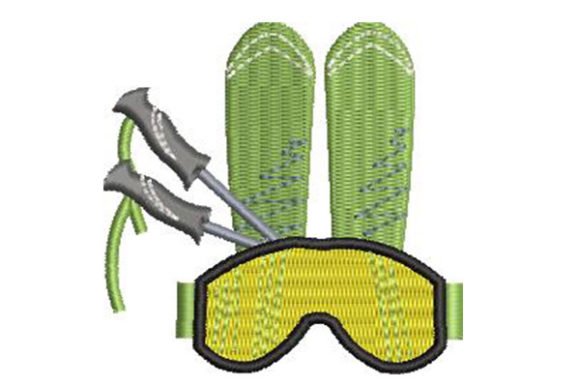
The first impression? Clean lines, balanced proportions, and a subtle sense of motion—like gear poised for adventure, not mid-race chaos. It feels handmade without being rustic, modern without losing warmth, and seasonal without locking you into winter-only sales. There’s no heavy shading or micro-detailing, which means it translates beautifully across fabric types—and that’s exactly what makes it a strong candidate for personalized gift products.
Where This Design Shines: Real Uses for Real Shops
For baby embroidery, the Ski Equipment Logo works surprisingly well on soft cotton blankets and muslin swaddles—especially when paired with a simple name or birth year. It reads as sweet and intentional, not gimmicky. Think “First Ski Trip” embroidered on a sherpa-lined blanket: cozy, meaningful, and photo-ready.
Wedding gift creators will appreciate how easily it elevates linen towel sets or embroidered pillow covers for honeymoon cabins or mountain elopements. It adds personality without overwhelming—ideal for couples who met on the slopes or share a love of alpine getaways. As a family keepsake, it layers beautifully with initials or dates on heirloom-style quilt squares or framed hoop art.
Etsy sellers and craft fair vendors can use the Ski Equipment Logo to refresh their small shop product lineup year-round: stitch it onto canvas tote bags for ski resort gift shops, add it to terrycloth bath towels for boutique hotels, or pair it with minimalist typography on cotton napkins for apres-ski dinner parties. Its versatility supports both seasonal launches and evergreen inventory.
It also performs well in custom embroidery previews—customers instantly grasp its tone and placement options. That clarity builds trust before the first stitch is even made.
Where to Proceed With Care
While the Ski Equipment Logo is forgiving, thoughtful execution matters. Avoid using it for ultra-small lettering or intricate borders—it’s designed as a cohesive emblem, not a fine-line monogram. On highly textured fabric like thick terry or looped fleece, test stitch density first: too many overlapping stitches may flatten detail or cause puckering.
Be mindful on stretchy baby clothes (think onesies or knit rompers)—the logo’s clean geometry holds up better than script fonts, but always use lightweight cutaway stabilizer and avoid high-tension hooping. Likewise, curved surfaces like mug cozies or tapered pillow forms require careful digitizing adjustments; if you’re working from a basic digital embroidery file, confirm it includes optional contour-stitch variants.
Dark fabrics demand attention to thread color contrast. The original file likely assumes standard white/light thread—but for charcoal towels or navy jackets, switch to heather gray or metallic silver for depth and legibility. Always run a printable mockup alongside your fabric swatch before committing to production.
Why It Elevates Your Finished Product
A well-executed Ski Equipment Logo does more than decorate—it deepens the emotional connection between buyer and object. Customers don’t just purchase an embroidered towel; they buy a memory-in-waiting, a shared identity, a nod to passion. That perception lifts perceived value, especially among discerning handmade shoppers who prioritize intention over trend.
In product photography, the logo’s clarity ensures crisp close-ups—even on mobile screens. That boosts engagement for Etsy listings and Instagram shops where first impressions happen in under two seconds. And because it avoids cliché snowflakes or cartoon skiers, it feels elevated—not mass-produced—which reinforces trust in your handmade product brand.
Practical Embroidery Notes You Can’t Skip
Before stitching your first customer order, follow these field-tested steps:
- Always run a test on scrap fabric—same type, same dye lot, same finish—as your final product.
- Check thread color contrast under natural and indoor light; some shades shift dramatically.
- Confirm your hoop size accommodates the full design without re-hooping mid-stitch.
- Review stitch density: dense fills work on stable fabrics like twill or denim, but reduce density by 10–15% for knits or lightweight linens.
- Match your stabilizer to the end use—tear-away for stable wovens, cut-away for stretchy or frequently washed items like baby blankets or embroidered towels.
- Compare light and dark fabric mockups side-by-side—you’ll spot visibility issues early.
- Inspect small details post-stitch: check for stray threads, skipped stitches, or fraying edges on delicate outlines.
- Verify commercial licensing before selling finished products—this is non-negotiable for Etsy sellers and small business owners.
Remember: the Ski Equipment Logo isn’t just a machine embroidery design. It’s a quiet invitation—to adventure, to legacy, to personal meaning. When stitched with care on the right fabric, for the right person, it transforms everyday objects into cherished keepsakes. That’s the power of intentional custom embroidery.
Whether you’re building a niche digital embroidery file shop, curating wedding gift bundles, or launching a line of mountain-inspired nursery decor, the Ski Equipment Logo earns its place—not as filler, but as foundation.